
Random Chat Scams and A Guide to Safe Usage
Data-Driven View of Risks in Anonymous Random Chat

Hello, I'm Ji-Hoon Kim, sharing data-driven insights. In this article, we will precisely identify the patterns of random chat scams and harm, and present practical criteria for safe usage. Since random chat scams can cause very serious issues, the tone of the article will be more definitive from this point forward.
Random chat search volume consistently repeats a structural pattern of rising around school breaks and year-end holidays. As usage increases, attempts at romance scams, fraud, and personal data theft also increase. From the perspective of analyzing the overall random chat market, we need to clearly structure the harm patterns.
👉 diptok Blog — 7 Ways to Safely Use Random Chat (2025 Guide)
Before Starting: If Harm Has Already Occurred, Take Immediate Action

At this stage, delay only amplifies the harm. If financial loss has occurred, you must immediately respond through the following institutions. Fraudulent accounts often have numerous accumulated reports and are used repeatedly. Since the possibility of recovery rapidly decreases with delay, you must seek help from the National Police Agency and a lawyer before finishing this blog post.
- National Police Agency Cyber Crime Reporting Center (☎️182)
- Cyber Investigation Bureau Website
- Financial Supervisory Service Damage Report
- Your Bank’s Customer Service (Request Stop Payment)
- LawTalk (Lawyer Intermediary Platform)
1. Structural Reasons Why Random Chat Scams Recur
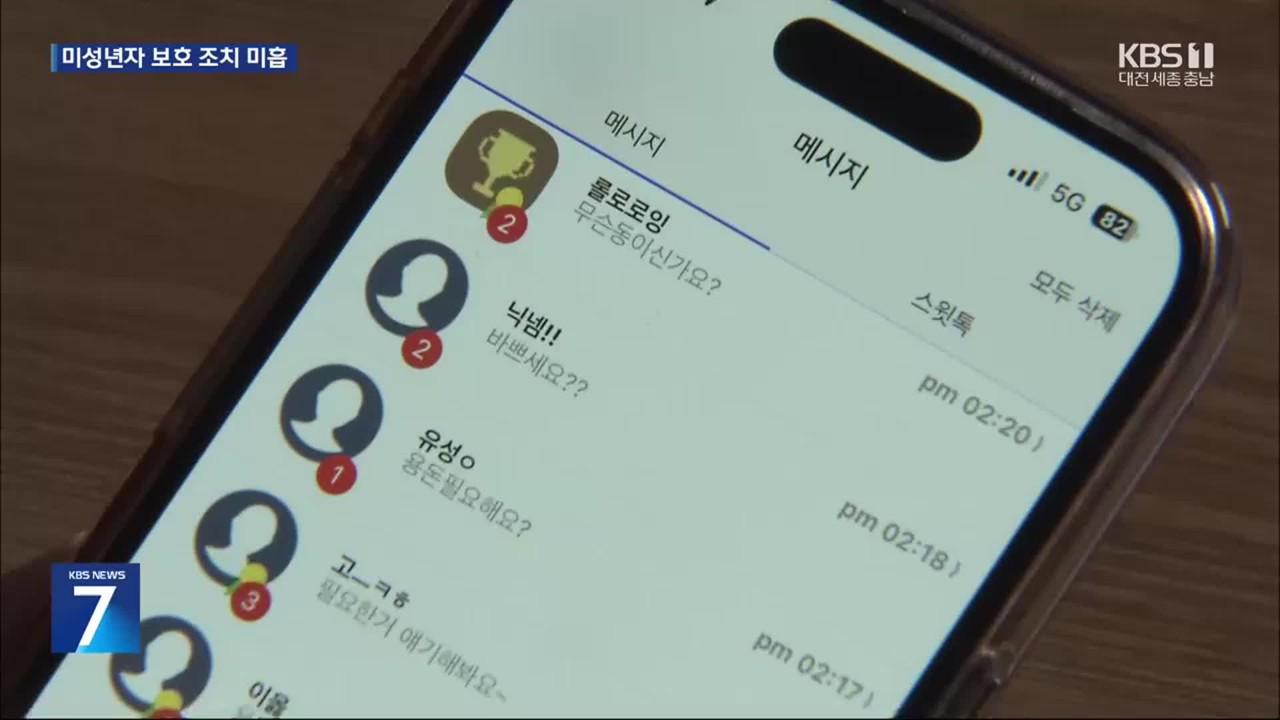
Why does fraud happen so frequently on random chat platforms? The structure of random chat differs from general SNS. The features of anonymity, low barrier to entry, and immediate matching, while great for quick conversation, create an optimal criminal environment for malicious users. This structure itself incentivizes numerous scammers.
Anonymity and Non-Face-to-Face Nature
- The cost to discard an account after an attempted scam is minimal.
- Verification of real name, photo, and profile is difficult.
Low-Cost Access
- Scammers can create multiple accounts for mass access.
- They repeatedly execute probability-based attacks against the general, unspecified public.
Emotion-Based Trust Formation
- Conversation with a stranger lowers the user's guard.
- Scammers exploit emotional exchange to naturally transition to demands for money or information.
2. The 3 Most Common Types of Harm That Actually Occur
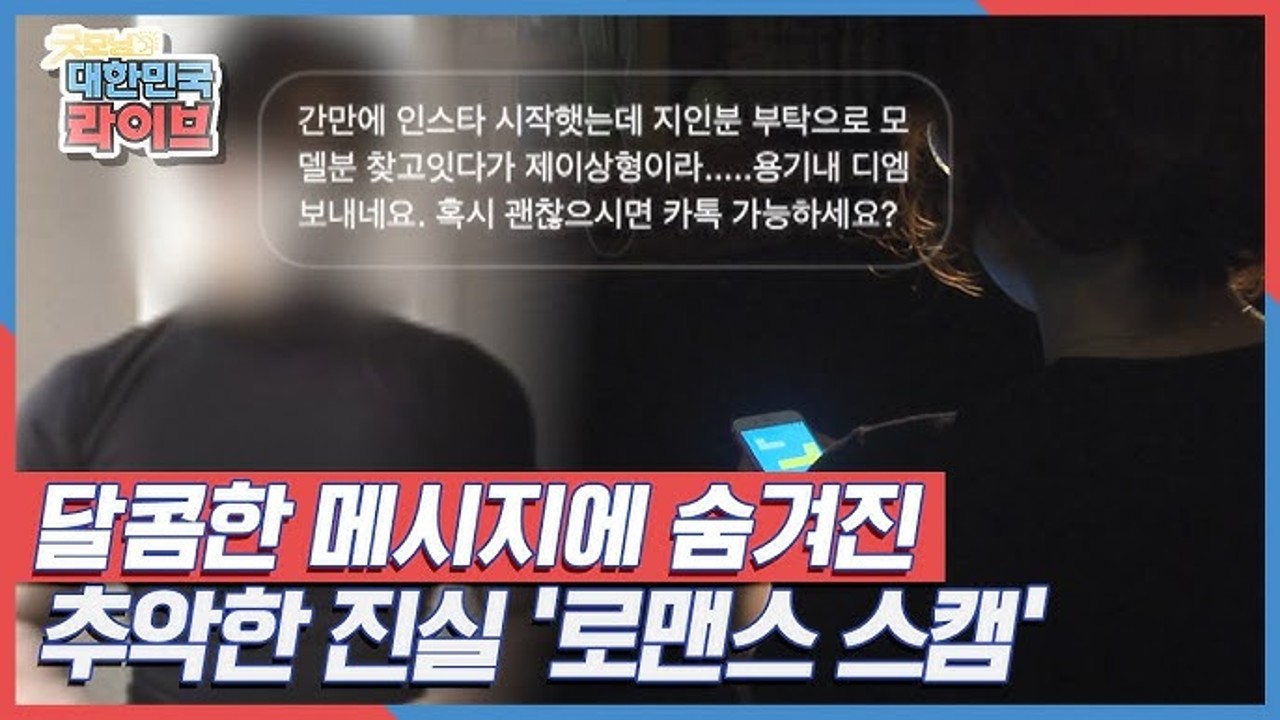
Based on data from various platforms, reporting centers, and user tips, the types of harm primarily converge into the three below. Ultimately, these three converge into one major pattern: the romance scam. The romance scam lowers the emotional hurdle to inflict the following types of harm.
① Financial Demand Based on Emotional Exchange (Romance Scam)
This is the most frequent scam. Scammers build rapport on SNS for several days before transitioning to financial demands. This is especially common from foreign female accounts (Hong Kong, China, Taiwan, Japan). They attempt to move the conversation to external messaging platforms by demanding phone numbers or real names. This leads to further demands or account hijacking.
② Financial Demand Fraud
Scammers propose investment products, or demand small money transfers, cultural gift certificates, bank transfers, or gift card purchases. Emotional manipulation like "I need help urgently," or "Help me now," or illegal sexual inducement like "I sell photos and videos" are key characteristics.
③ Link and App Installation Inducement
Scammers guide users to shortened URLs, compressed files, or webview-based sites to install malicious apps or collect information. Additionally, there are countless cases where scammers threaten to leak 'cam sex' files after transitioning to video chat on other SNS platforms.
3. Realistic Harm Prevention Checklist

The following points summarize actual random chat scam patterns. Simply being aware of these points will significantly reduce the probability of falling victim to fraud or needing to contact a law firm.
① If a Pretty and Friendly Woman Initiates the Conversation → It is 100% a Scam
If you imagine a pretty woman’s KakaoTalk, messages would be piling up endlessly. Such a person has no reason to spend time consuming time on random chat to initiate a conversation with you. If this pattern recurs only in random chat, it is undoubtedly a romance scam. Attempts to establish an emotional connection, especially from accounts claiming to be Japanese, Hong Kong, or Chinese, saying, "I'll be entering Korea soon and would like to be friends with you," have a very high probability of being organized scams.
② If They Quickly Move to LINE or WhatsApp, It Can Be Considered 100% a Scam
Normal conversations do not require quickly moving platforms. Scammers repeat the pattern of demanding SNS platform migration within 2-3 minutes because they need to move externally to evade tracking and sustain the attack. If you want to test this theory, suggest continuing the conversation on the random chat platform since you don't use LINE or WhatsApp. They will likely start replying less frequently.
③ Even Without Financial Demands, the Scam May Already Be Underway
Romance scams do not demand money in the very beginning. They build an emotional connection over several days on the migrated platform before transitioning to financial demands, investment pitches, or requests for meeting expenses. If you think, 'Surely they wouldn't scam me after texting for a week?', that's exactly what scammers target, spending over a week to maximize their profit, as extracting a few thousand dollars is an attractive return on their time investment.
4. Vulnerable Points from the Perspective of a Platform Operator
No random chat platform can eliminate risk with 100% perfection. However, structural design can significantly reduce the likelihood of attack. diptok adopts the following elements as its default settings. A structure like this may not eliminate the motive for fraud, but it substantially restricts feasible attack vectors, thereby discouraging scammers from staying on the app.
- No Login → No personal information to be stolen.
- No Photo/File Transfer → Romances scams that rely on appearance cannot appeal, thus blocking them fundamentally.
- No Profile → Minimizes access based on false profiles.
5. Safety in Random Chat is an Experience, Not Just a Feature

The competitiveness of the current random chat market is not solely in anonymity. The user's perceived level of actual safety determines the success or failure of the service. The overall risk index decreases exponentially only when the reporting system, blocking features, and the user's perception of a stable experience are combined.
diptok continues to remove elements susceptible to fraud attempts by maintaining a text-only exchange structure with no photos or profiles.
Random chat offers an interesting experience for connecting with new people. However, attempts to exploit this anonymous environment existed in the past and will continue to exist. Ultimately, the key to preventing harm is not complex legal knowledge, but the ability to recognize current patterns and immediately identify warning signs. This article is not legal advice. If legal judgment is required, professional consultation is strongly recommended.