
Domestic Data Analysis Report Including Coupang Personal Data Leak Incident
Comparison of Leak Cases from Major Corporations and Random Chat Platforms, and diptok's Structural Safety
Hello, this is Ji-Hoon Kim, sharing data-driven insights.
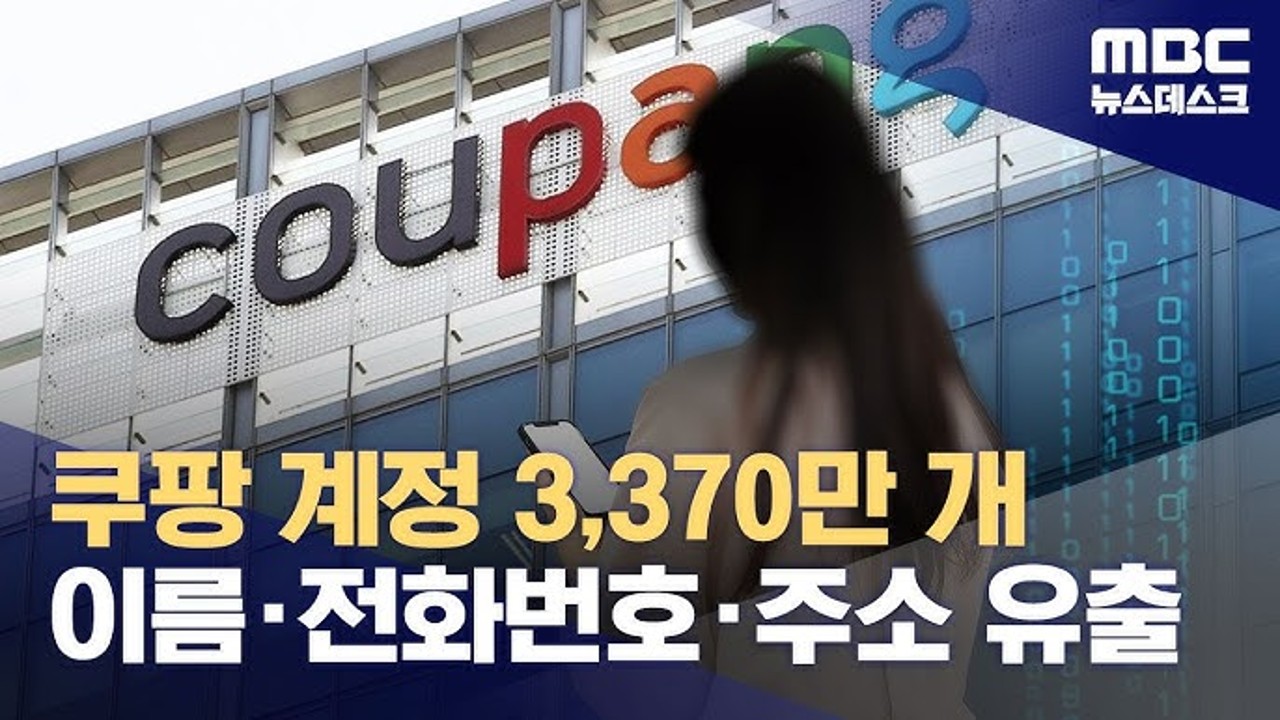
The recent personal data breach at Coupang, affecting approximately 33.7 million records, has once again shaken the domestic digital ecosystem and reignited discussions about the fundamental nature of data security.
This report reviews data from personal data breaches that occurred at major domestic corporations in recent years, confirms leak cases from domestic and international random chat services, and finally, technically explains why our service, diptok, is structurally safe. Before delving into the report, we recommend an article that will help you understand diptok’s security philosophy.
👉 diptok blog — 7 Ways to Safely Use Random Chat (2025 Guide)
Summary of Major Domestic Corporate Data Leak Incidents
-
2025 · Coupang - Scale: Approx. 33.7 million records - Leaked Information: Name, email, phone number, address, some order history - Cause: Possibility of internal access was raised, with failure to detect the leak for about 5 months.
-
2023 · Naver/Kakao Linked Services - Scale: Approx. 1.8 million records - Leaked Information: Account information and data related to linked services - Cause: Occurred due to system vulnerabilities in a third-party partner company.
-
2022 · Samsung Electronics (North American subsidiary) - Scale: Approx. 6GB of internal development data - Leaked Information: Development-related source code and internal documents - Cause: External attackers accessed internal development files following an infringement incident at the North American subsidiary.
-
2020 · BicCamera (Japanese corporation, many Korean users included) - Scale: Approx. 3 million records - Leaked Information: Included payment information (credit card-related data) - Cause: Large-scale data theft via web-based vulnerability attacks.
-
2014 · KB/Nonghyup/Lotte Card (3 Card Companies) - Scale: Approx. 104 million records - Leaked Information: Sensitive personal data including card information and resident registration numbers - Cause: Insider crime where an internal employee copied data onto a USB drive and took it outside.
The list above summarizes major leak incidents that occurred in Korea over the last 10 years. As can be seen, despite occurring in different companies and industries, recent large- scale personal data breaches exhibit a consistent pattern.
First, most incidents originated from 'vulnerabilities within the environment,' such as insiders or outsourced partners, rather than external hacker intrusions. The lack of security awareness and management among those with data access rights acted as a fatal cause.
Second, the severity of an incident increases exponentially with the volume of data held by the company. Companies with data in the tens of millions of accounts, like Coupang, are bound to cause a greater social shock upon leakage, confirming again that larger corporations turn data into a risk asset.
Third, a greater danger than the attack itself is the failure to detect it. In Coupang's case, there was a time gap of about 5 months between the actual leak and the moment the company became aware, which was a key factor in escalating the scale of the incident and delaying the response.
Synthesizing all these points, one naturally concludes that a company is never absolutely free from permanent security risks as long as it stores data. Therefore, minimizing the volume of stored data is the most fundamental strategy for reducing the possibility of leakage.
Personal Data Leak Cases from Random Chat Services
This issue is not exclusive to major corporations or big tech. Many leakage incidents have occurred even on random chat platforms that advocate anonymity. The common factor among these incidents is that although they claim to guarantee anonymity, their structure involved storing chat logs on the server.
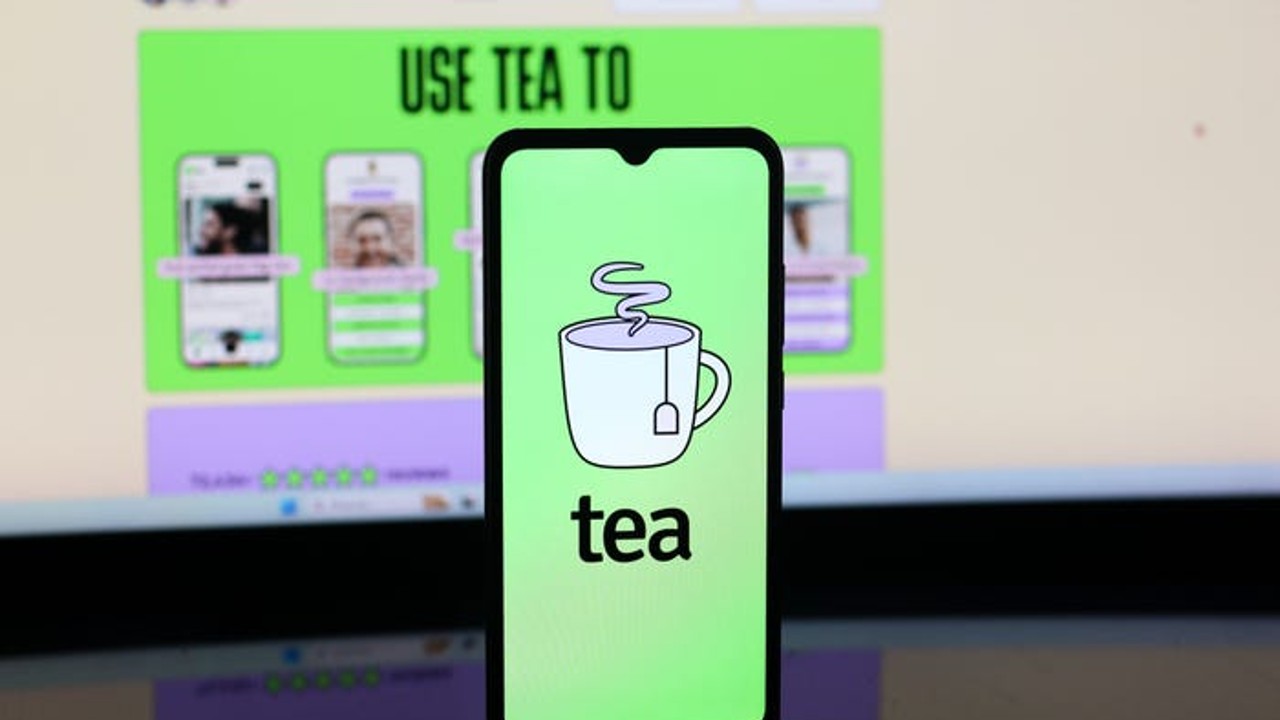
Tea — 2025 Large-Scale Leak
In July 2025, a large-scale data leak incident occurred at Tea, an anonymous dating/review app. This incident is the most clearly confirmed leak case in the anonymous chat/dating app sector. Over 1 million DM logs were leaked, including approximately 72,000 user photos (including selfies and ID cards). Tea emphasized anonymity and women's safety, but it was found to have stored historical data on the server for a long period, and the leak occurred when this storage was externally exposed.
Whisper — Anonymous Community App Account and Message Vulnerability Controversy
Whisper was famous as an anonymous problem-sharing app, but there was an incident in 2015 where a security startup pointed out vulnerabilities allowing user accounts to be stolen → messages to be viewed and posted. Although a large-scale leak was not officially confirmed, this serves as an example of the structural risk inherent in anonymous apps.
👉 diptok blog — The Rise and Fall of Whisper, why Did an Anonymous SNS Disappear?
Why Leaks from Random Chat are Especially Dangerous
The risk associated with a random chat service leak is far more direct than general corporate personal data leaks because the nature of random chat is based on private conversation. Messages exchanged in random chat often contain sensitive content, and if these conversations are leaked, users suffer a far greater invasion of privacy than just the exposure of real-name information.
Furthermore, many users believe they are using the service anonymously, but the reality is that a significant number of random chat platforms automatically store metadata like connection IP, device information, and device metadata in addition to chat logs. Due to this structural characteristic, leaks from random chat do not stop at simple account theft but occur in a combined form of private conversation plus technical clues that can identify the user, making the damage far more severe.
Why is diptok Structurally Safe?
diptok employs a fundamentally different approach. While most services focus on strategies to protect data from being leaked, diptok adopts a strategy of not storing data in the first place. Put simply, if there is no data to leak, there can be no leak incident.
- Usable without login — No Personally Identifiable Information (PII) is stored.
- Conversation content and message logs are not stored on the server.
- Internal risk is structurally impossible.
True anonymity begins with a non-storage design. The Coupang incident proved that no major corporation has perfect security. Ultimately, there was only one common risk factor across both major corporations and random chat services: 'The moment you store data, the risk begins.'
diptok is the service that reflects this principle most radically. To maintain the essence of anonymous chat, we chose a structure of No Login, No Storage, No History, Instant Deletion. This is why diptok can state, based on structural data, that it is the safest anonymous random chat service in Korea.
We believe that data-driven insights can solve both business and everyday challenges. Should you have any questions regarding this analysis, please do not hesitate to contact us via our official email.