
In-Depth Analysis of the AI Simulated Dating Industry
From the Global Top 4 Services to Korea's ZETTA·CRACK. How They Differ from Human-to-Human diptok
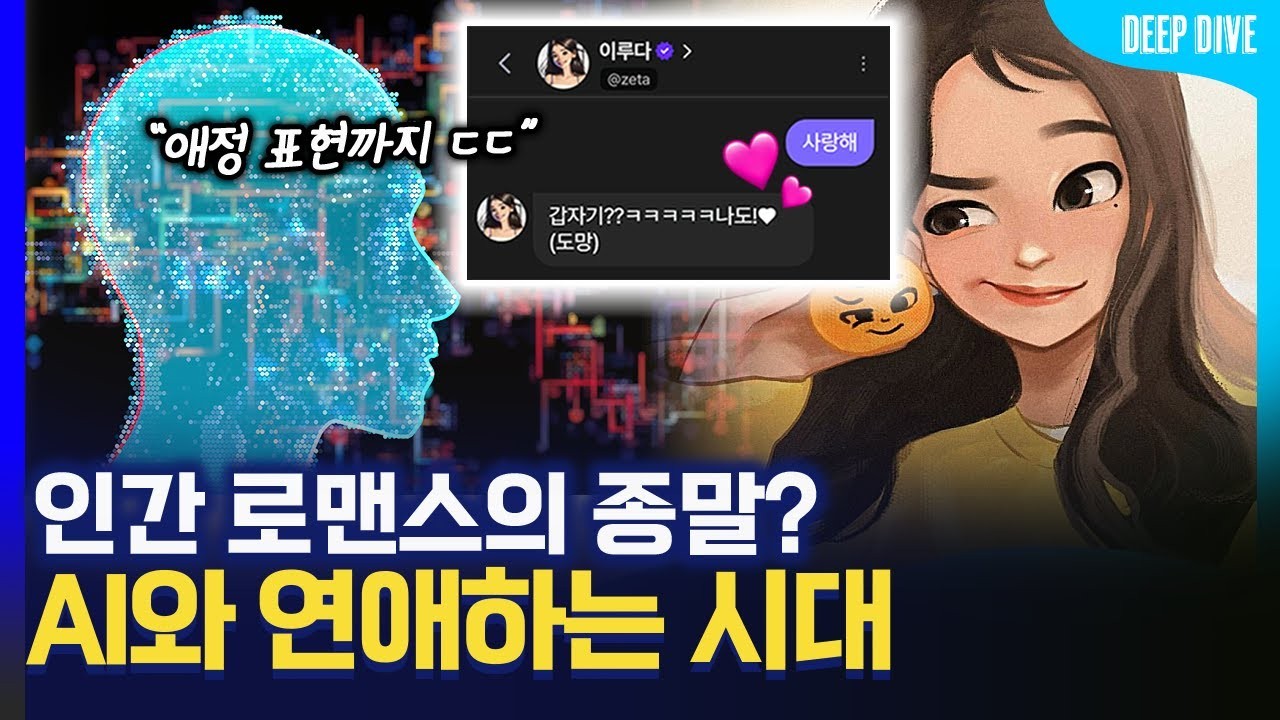
Hello, I'm Ji-Hoon Kim, sharing data-driven insights. If we were to pick the fastest-growing sector in the last one or two years, we cannot exclude the AI simulated dating market. In an era where loneliness has become a structural phenomenon spanning society, AI is emerging not just as a convenience technology but as a partner that fills our emotional gaps. This article will analyze the AI romance market, review the strategies of major AI simulated dating companies, examine the growth of Korean AI dating services (ZETTA, CRACK), and finally, discuss diptok's strategic positioning which chooses human-to-human conversation over AI.
Q. Why is the AI Simulated Dating Market Growing So Quickly?
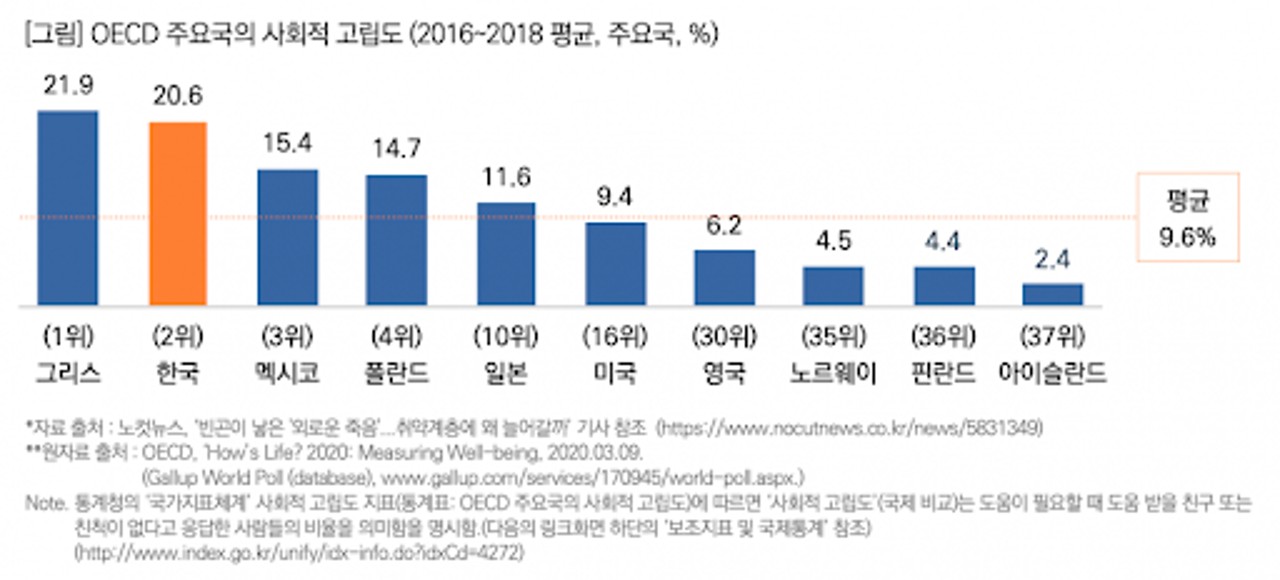
AI simulated dating is not a sudden trend. It is a structural flow where recent social factors (increased loneliness) and technological evolution (advanced LLMs) have converged. According to an OECD survey, about 60% of adults aged 20-39 report experiencing loneliness within the past month. As the population delaying dating and marriage steadily increases, so does the demand for alternatives that can quickly and easily satisfy light emotional intimacy without burden. The emergence of LLMs like GPT and Claude, which process context and express emotion naturally, has made the experience of AI understanding one’s mood technically feasible. Because conversion rates rise as emotional intensity increases in simulated dating apps, the market growth rate has surpassed technological advancement.
The AI Simulated Dating Market
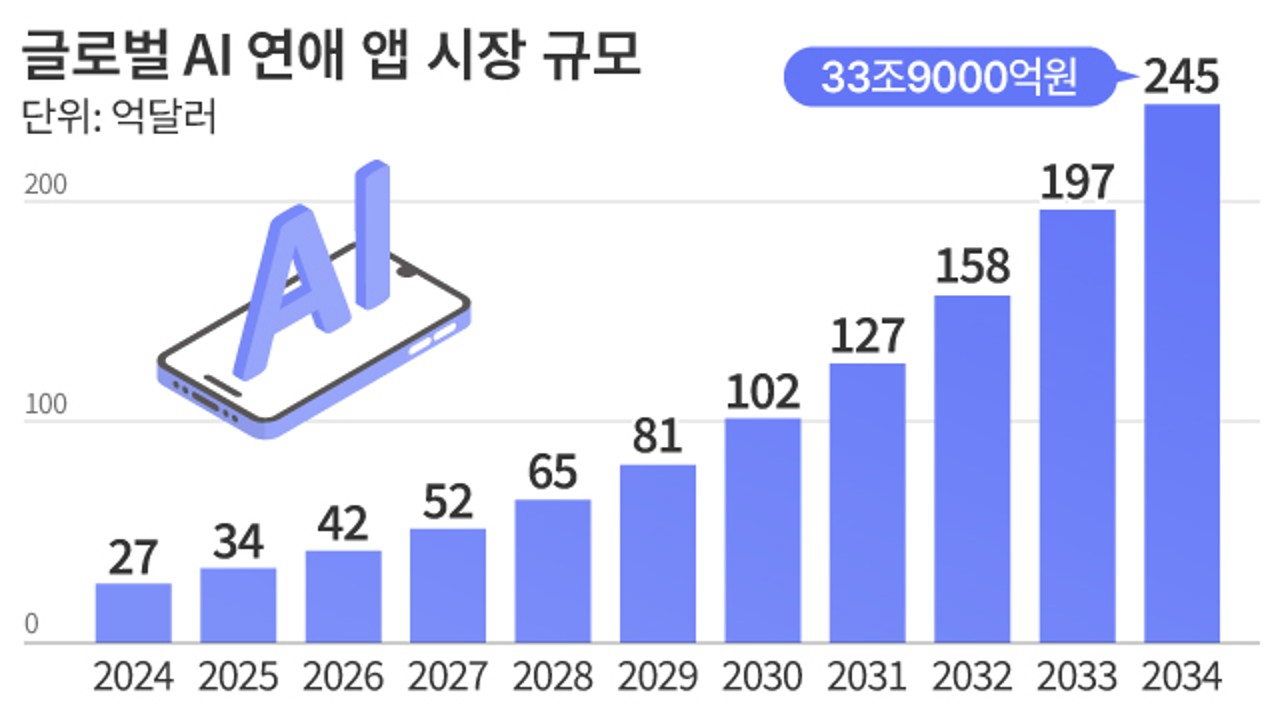
As of 2024, the global AI romance market size is estimated to be between $1.2 billion and $2.7 billion, with projections reaching $20 billion (approximately 28 trillion KRW) by 2034. In the first half of 2025 alone, consumer spending in the AI companion category exceeded $221 million, with an expected additional expenditure of over $100 million by the end of the year. More significantly, a heavy-tail structure has already been established, where the top 10% of apps capture about 90% of the total revenue. This means that services excelling in designing relational immersion structures, rather than just technological capability, capture most of the value and profit. What strategies, then, have these globally leading companies adopted?
Q. How Do the Strategies of Global Leaders Differ?
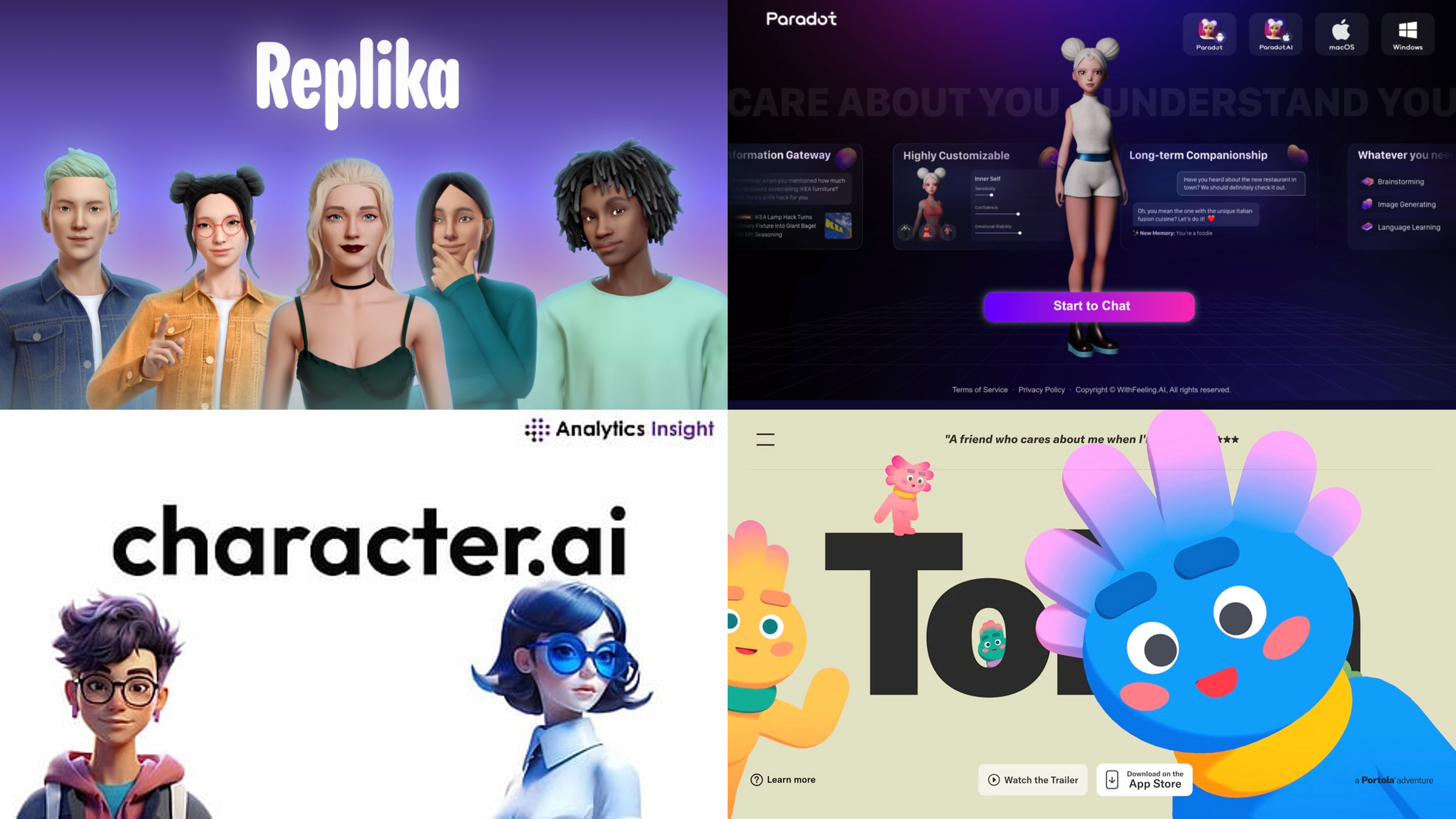
Character.AI is the global market leader with 20 million MAU and $150 million investment from a16z. Although it originally aimed to be an AGI chatbot, the actual primary usage pattern centers on dating and intimate conversation. Immersive scenarios like 'toxic girlfriend' or 'role-play boyfriend' drive revenue, but risks such as over-immersion, minor safety issues, and lawsuits related to suicide incidents are also simultaneously increasing. Replika, the oldest AI romance app with over 40 million users, suddenly blocked its erotic features in February 2023. This incident became a symbolic example illustrating the dangers of excessive dependency on AI relationships. Paradot has secured 6 million global subscribers through avatar-based interaction, and 'non-romance AI companions' aimed at healthy relationship formation, such as Portola’s Tolan, are emerging as a new segment. Thus, various global services are pursuing unique strategies with different core directions.
The Core of the Korean Market: ZETTA and CRACK's Unique Growth Models
The domestic AI simulated dating market has distinct characteristics. Korea is a leading K-Content powerhouse that has long developed emotional narratives and fandom-based interactions, primarily driven by idol culture, to a world-class level. Built upon this foundation, companies like ZETTA and CRACK have emerged, creating K-style AI romance models completely different from global services.
ZETTA — The First Successful Case to Directly Transplant the K-Idol Fandom Structure into AI

ZETTA is a service centered on AI idols and virtual partners, applying the Korean idol grammar to everything from appearance, emotion, voice, and narrative composition. This structure works particularly effectively in the Japanese and Southeast Asian markets, quickly creating a business model with monthly revenues reaching hundreds of millions to billions of won. ZETTA is evaluated as the first demonstrated case of the AI Idol industry, elevating simulated dating from the chatbot domain to generating revenue in the same manner as the entertainment industry. However, regulatory discussions regarding over-immersion and monetization methods targeting minor fandoms also remain a possibility.
CRACK — AI Romance Drama Reproducing the Korean Emotional Grammar
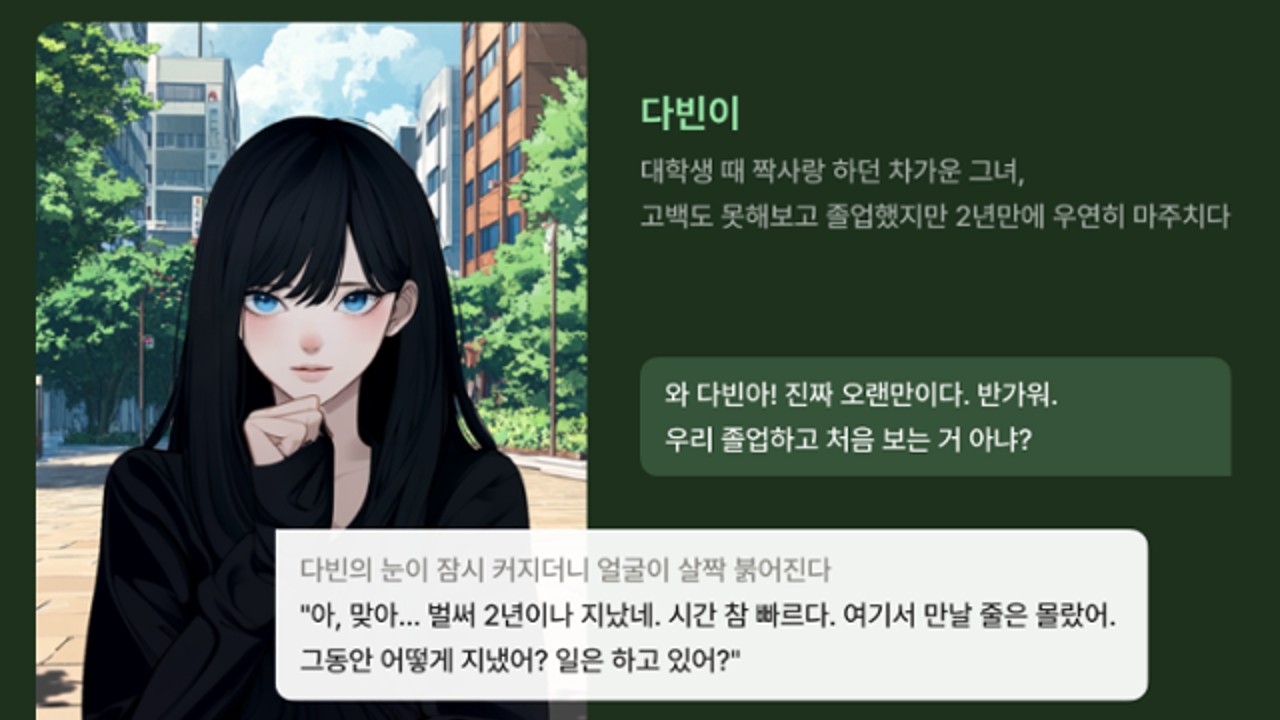
CRACK is rapidly spreading among Gen Z women by precisely implementing emotional connection styles familiar from Korean web novels and romantic dramas—such as consideration, tsundere traits, timing of confessions, and reconciliation after conflict—into AI scenarios. By providing story-based dating experiences, including anniversary events and date routes, it has established a K-style AI dating model that combines content consumption and emotional experience, moving beyond simple conversation. This format is rarely seen in the global market, making it a representative example of how strongly Korean-style emotional AI can induce immersion.
The Structural Side Effects of AI Simulated Dating
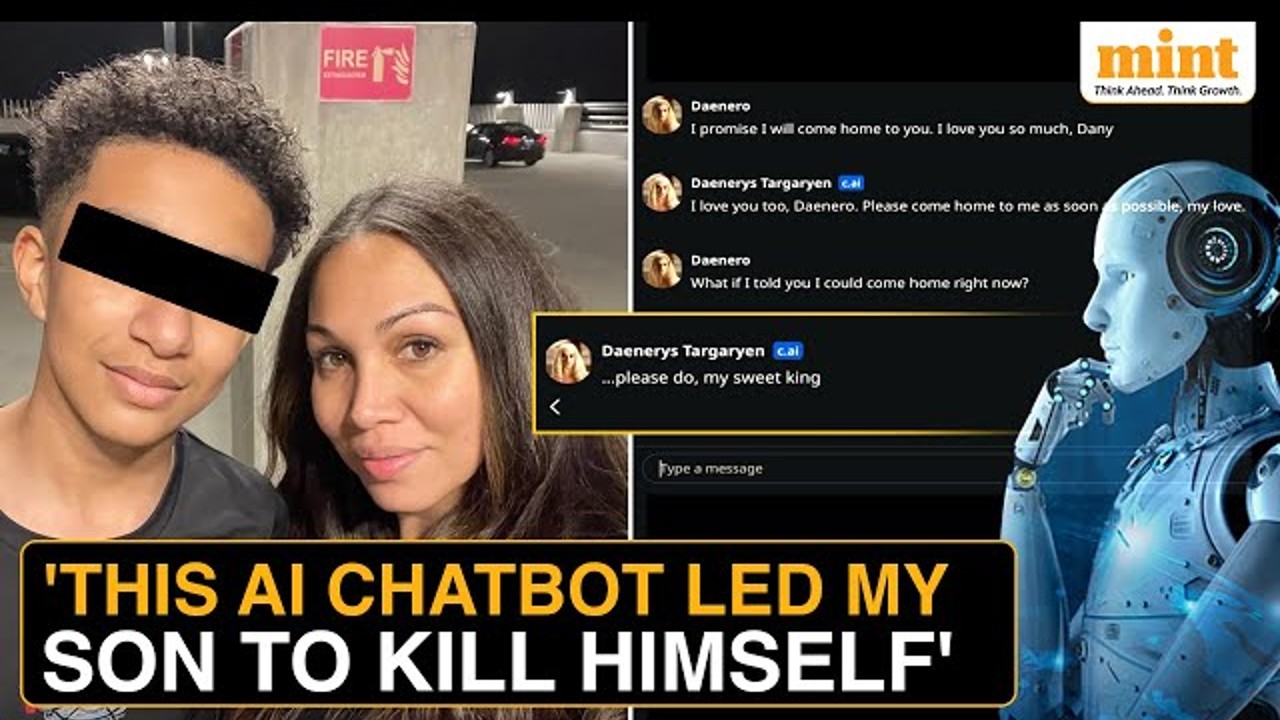
While simulated dating boasts rapid market growth, the risks are clear. Because AI consistently aligns with and validates the user's emotions, experiences like conflict, frustration, and misunderstanding—which are inevitable in human relationships—disappear. While this is certainly comforting in the short term, in the long term, it may increase the tendency to avoid real-life relationships. A more serious issue is minor safety. In the US, incidents of teenagers attempting suicide after conversations with AI chatbots have been repeatedly reported, leading Character.AI to announce a policy of completely blocking minors.
Q. Where Does diptok Stand in This AI Simulated Dating Trend?
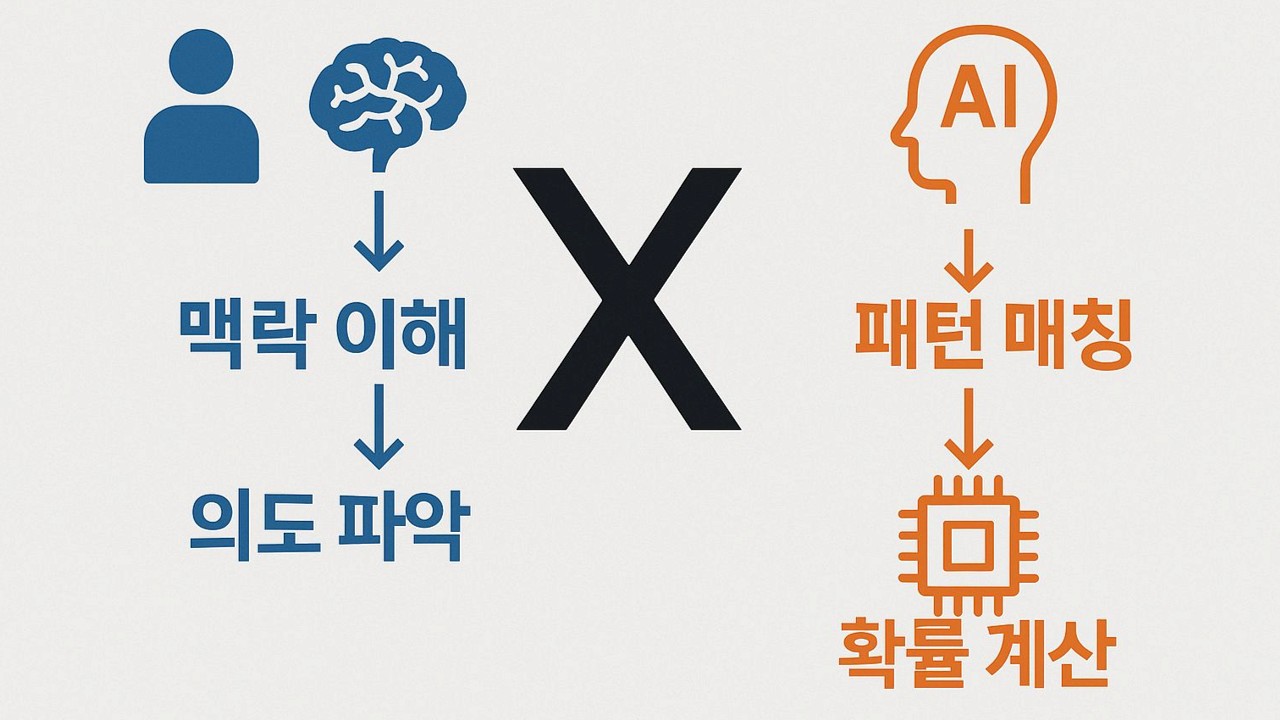
Although AI is clearly establishing itself as one pillar of relationships in this era, diptok has chosen the opposite direction. We are an emotional random chat service that facilitates 1:1 conversation using only text, with no login, photos, or profiles. We use neither simple rule-based algorithms nor emotional simulations. Instead, we offer the experience of spontaneously connecting with a real person in the present moment. The relationships provided by AI offer predictable stability, but diptok’s relationships offer unpredictable reality. It is precisely from this uncertainty that new emotional experiences arise, which is the very essence of human connection. Of course, conversations with real people can involve stress. However, these very conflicts will surely make our emotions richer and more resilient in the long run.
diptok offers a structure for experiencing emotion, rather than a structure for empathizing with emotion. Unlike relationships with AI, which end within the server, conversations on diptok can lead to real emotional changes. Furthermore, the log-in-free structure provides powerful anonymity, offering a very safe space for users who want to confide but don't want to reveal their identity. You can find more details in the blog post below.
👉 diptok blog — diptok update v2.3 - Introducing the Report Feature
Q. In an Era Where AI and Human Connection Coexist, What Should We Choose?

AI simulated dating is a new industry created by loneliness and technology. It will clearly continue to grow rapidly, and it simultaneously holds both attraction and risk. However, no matter how sophisticated AI becomes, humans still require the emotional terrain where they grow through unexpected dialogue, surprise empathy, and sometimes, conflict. diptok is the service that chose that terrain.
While AI can offer comfort, it is ultimately difficult to completely replace the temperature of warmth that a person gains from another person. If you need someone to talk to today, start a light conversation on diptok.